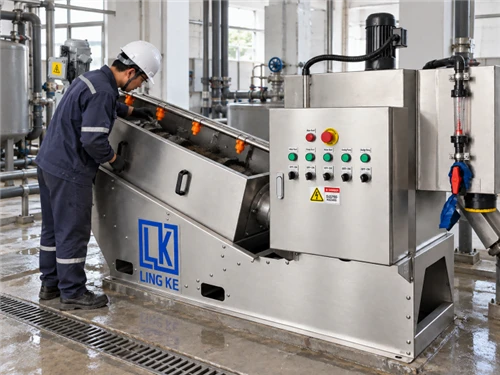
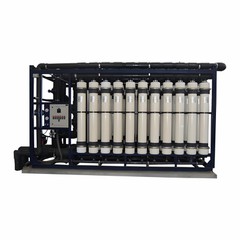
Wastewater treatment equipment is an industrial device that effectively treats domestic sewage and industrial wastewater in urban areas, preventing sewage and pollutants from directly flowing into waterways. It plays a vital role in improving the ecological environment, enhancing the city's image, and promoting economic development.
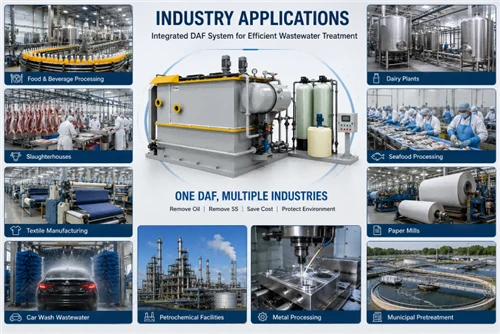
Buried wastewater treatment equipment is suitable for residential communities, hospitals, sanatoriums, office buildings, shopping malls, hotels, restaurants, government offices, schools, military units, seafood processing plants, livestock processing plants, dairy processing plants, and other similar industrial organic wastewater, such as organic wastewater from the textile, brewing, papermaking, leather, food, and chemical industries. Its main purpose is to treat domestic sewage and similar industrial organic wastewater to meet reuse water quality requirements, enabling the resource utilization of treated wastewater.
Raw wastewater refers to untreated domestic or industrial wastewater directly discharged into cities. Currently, the method of utilization is to directly feed raw wastewater into a wastewater source heat pump system for heat exchange, providing indoor cooling and heating for urban buildings with minimal electricity consumption. Several technical challenges need to be overcome in wastewater reuse: clogging, corrosion, and heat exchange efficiency.
After the raw urban wastewater directly enters the wastewater heat exchanger, the heat exchanged is transferred to the indoor environment by the heat pump inside the wastewater source heat pump.
The advantages of reusing raw urban wastewater are: energy saving, environmental protection, and no pollution.