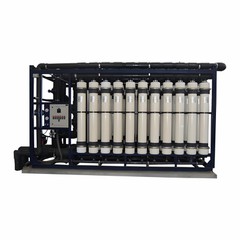
Reverse osmosis (RO) membranes are one of the most valuable components in any industrial water treatment system. While high-quality membranes are designed to operate for years, their actual service life can vary significantly from one installation to another.
In many cases, premature membrane replacement is not caused by manufacturing defects. Instead, it results from poor pretreatment, unstable operating conditions, or improper maintenance.
By understanding the factors that affect membrane performance, operators can reduce maintenance costs, improve water quality, and maximize the return on their investment.
Proper Pretreatment Is the First Line of Protection
The lifespan of an RO membrane begins long before water reaches the membrane itself.
Industrial RO systems typically include pretreatment equipment such as quartz sand filters, activated carbon filters, and, when necessary, water softeners. These units remove suspended solids, residual chlorine, organic matter, and hardness that could otherwise damage the membranes.
Without effective pretreatment, contaminants gradually accumulate on the membrane surface, increasing operating pressure and reducing water production.
A well-designed pretreatment system is one of the most effective ways to extend membrane life.

Remove Residual Chlorine Before Water Enters the RO System
Most industrial RO systems use thin-film composite (TFC) membranes because of their excellent desalination performance.
However, TFC membranes are highly sensitive to chlorine.
Even low concentrations of residual chlorine can slowly oxidize the membrane surface, reducing salt rejection and permanently shortening membrane life.
Activated carbon filtration is commonly used to remove chlorine before water reaches the RO membranes, making it an essential part of many industrial pretreatment systems.
Prevent Scaling Before It Starts
Scaling is another common cause of membrane performance loss.
When feed water contains high concentrations of calcium, magnesium, or other dissolved minerals, these substances can precipitate and form hard deposits on the membrane surface.
Once scaling becomes severe, cleaning becomes more difficult and membrane performance may not fully recover.
Using water softeners, antiscalants, or other appropriate pretreatment methods can significantly reduce the risk of scaling and help maintain long-term system efficiency.
Clean Membranes at the Right Time
Many operators wait until system performance drops dramatically before cleaning the membranes.
In reality, early cleaning is usually far more effective than delayed cleaning.
Signs that indicate membranes may require cleaning include:
1.A noticeable increase in operating pressure
2.Reduced permeate flow
3.Higher differential pressure
4.Lower salt rejection
5.Increased energy consumption
Addressing fouling early helps restore performance while reducing the likelihood of permanent damage.

Operate Within the Recommended Design Conditions
Running an RO system outside its recommended operating conditions can shorten membrane life.
Excessive pressure, unstable flow rates, or poor recovery settings increase mechanical stress on the membranes and accelerate wear.
Following the manufacturer's recommended operating parameters helps maintain consistent performance and reduces unnecessary strain on the entire system.
Flush the System After Shutdown
When an RO system remains idle, contaminants can remain on the membrane surface for extended periods.
Regular flushing with clean water helps remove concentrated salts and suspended particles before they have time to accumulate.
Many industrial RO systems include automatic flushing functions, which provide a simple yet effective way to improve membrane longevity.
Monitor System Performance Regularly
Routine monitoring makes it possible to detect small performance changes before they become major problems.
Important operating data include:
1.Feed pressure
2.Permeate flow rate
3.Conductivity
4.Differential pressure
5.Recovery rate
Keeping accurate operating records allows maintenance teams to identify abnormal trends early and schedule maintenance before serious membrane fouling occurs.

Conclusion
The service life of an RO membrane depends on much more than the membrane itself.
Proper pretreatment, stable operating conditions, routine monitoring, and timely cleaning all play important roles in protecting membrane performance.
By following these best practices, industrial users can reduce operating costs, improve system reliability, and maximize the long-term value of their reverse osmosis systems.
At Ling Ke Industry Group, every industrial RO solution is designed with long-term performance in mind. By combining appropriate pretreatment equipment, reliable components, and practical system design, we help customers achieve stable water treatment performance while extending the service life of critical equipment.