
Complete MBR Engineering & Procurement Guide
Membrane Bioreactor (MBR) technology integrates biological wastewater treatment with microfiltration or ultrafiltration membranes. By replacing secondary gravity clarifiers with membrane separation, MBR systems achieve high biomass concentrations, produce superior effluent quality, and reduce the overall physical footprint by up to 50%.
-
![High-Flux MBR Membrane Cassette For Wastewater]() High-Flux MBR Membrane Cassette For Wastewater
The High-Flux MBR Membrane Cassette is a high-performance submerged membrane filtration assembly designed for municipal sewage treatment, industrial wastewater purification, and water reuse...
-
![Compact Package MBR Sewage System]() Compact Package MBR Sewage System
The Compact Package MBR Sewage System integrates biological wastewater treatment and membrane separation into a packaged treatment unit. The system is engineered for decentralized sewage treatment...
-
![Hollow Fiber MBR Membrane Bioreactor Pack]() Hollow Fiber MBR Membrane Bioreactor Pack
Submerged Hollow Fiber MBR Membrane Bioreactor Packs are engineered solid-liquid separation modules designed for advanced MBR wastewater treatment systems. Operating directly within activated...
-
![Submerged Flat Sheet MBR Membrane Module]() Submerged Flat Sheet MBR Membrane Module
The Submerged Flat Sheet MBR Membrane Module provides advanced solid-liquid separation inside a membrane bioreactor system. Operating directly within the biological aeration tank, the module...
-
![Industrial MBR Wastewater Treatment System]() Industrial MBR Wastewater Treatment System
An Industrial Membrane Bioreactor (MBR) System combines biological wastewater treatment with advanced membrane filtration. Designed for high-strength industrial applications, MBR technology...
-
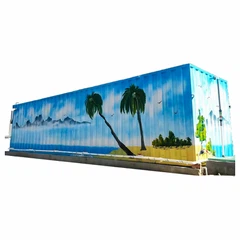
![Containerized MBR Sewage Treatment Plant]() Containerized MBR Sewage Treatment Plant
Containerized MBR sewage treatment plants integrate biological wastewater treatment, membrane filtration, aeration, pumping and control equipment into a factory-assembled modular system.


Complete System Scope
|
Category |
Component Description |
|
Pretreatment |
Fine screens , coarse screens, grit removal, oil & grease separators |
|
Equalization |
Equalization tank, mixing equipment, transfer pumps |
|
Biological Treatment |
Anoxic & aerobic tanks, fine-bubble diffusers, DO/pH/ORP monitoring sensors |
|
Membrane Separation |
Submerged membrane cassettes, air-scouring blowers, permeate extraction pumps |
|
Sludge & Cleaning |
Mixed liquor recirculation pumps, waste activated sludge (WAS) pumps, automated CIP skid |
|
Controls & Automation |
Integrated PLC cabinet, HMI touch panel, inline flowmeters, TMP transmitters |
Step-by-Step Engineering Selection Process

Confirm Flow Rates:
Evaluate average daily flow, maximum daily flow, peak hourly flow, and seasonal or production-driven fluctuations.
Analyze Influent Quality:
Establish baseline parameters: BOD, COD, TSS, TN, TP, pH, and temperature. For industrial streams, test for oils, salinity, heavy metals, and recalcitrant organics.
Define Effluent Targets:
Determine discharge limits or reuse specifications (e.g., cooling tower makeup, irrigation, or reverse osmosis feed) to select downstream polishing steps.
Establish Pretreatment Protection:
Specify fine screening and equalization to protect membrane fibers from hair, debris, and hydraulic spikes.
Select Membrane Configuration:
Choose between Submerged or Sidestream arrangements, and select Hollow Fiber or Flat Sheet modules based on flux, footprint, and maintenance needs.
Calculate Lifecycle Operating Costs:
Evaluate total power demand (aeration, air scouring, pumping), chemical consumption, sludge disposal, and long-term membrane replacement schedules.
Verify Site & Quality Standards:
Confirm layout dimensions, maintenance access clearance, utility supply, and supplier manufacturing Quality Assurance / Factory Acceptance Testing (FAT) records.

Technical Specifications & Configurations
Membrane Technology Comparison
|
Parameter |
Hollow Fiber MBR |
Flat Sheet MBR |
|
Membrane Material |
PVDF / PTFE |
PVDF / PES |
|
Pore Size Range |
0.04 - 0.1 |
0.08 - 0.4 |
|
Packing Density |
High |
Moderate |
|
Design Flux |
15 - 25 |
15 - 30 |
|
Operating TMP |
0.1 - 0.5 |
0.05 - 0.3 |
|
Fouling Control |
Continuous air scouring + periodic relaxation |
Air scouring + gravity/low-pressure suction |
|
Cleaning Method |
Online backwashing + chemical CIP |
Chemical soaking (in-situ or tank removal) |
|
Typical MLSS |
8,000 - 12,000 |
8,000 - 15,000 |
System Performance: MBR vs. Conventional Activated Sludge (CAS)
|
Specification |
MBR System |
CAS System |
|
Solid-Liquid Separation |
Ultrafiltration / Microfiltration |
Gravity Secondary Clarifier |
|
Required Footprint |
Compact (30% - 50%) |
Large (requires secondary clarifiers) |
|
Operating MLSS |
8,000 - 15,000mg/L |
2,000 - 4,000 mg/L |
|
Sludge Retention Time (SRT) |
20 - 40days |
5 - 15days |
|
Effluent TSS |
< 2 mg/L |
10 - 30mg/L |
|
Effluent Turbidity |
< 0.2 NTU |
2 - 5NTU |
|
RO Feed Suitability |
Direct feed ready |
Requires multi-media filtration |
Quality Control & Supplier Verification
Buyers should inspect key manufacturing evidence prior to procurement:
Fabrication Quality
Certified welding logs (WPS/PQR), skid frame non-destructive testing, and corrosion-resistant coatings.
Integrity Testing
Factory pressure decay test certificates for all individual membrane modules.
Electrical Integration
Full PLC loop verification, panel wiring certification, and compliance with CE/UL standards.
FAT Protocol
Factory Acceptance Testing logs including hydrostatic pressure tests, dry-run pump/blower tests, and automated CIP sequence validation.
FAQ
We're well-known as one of the leading mbr membrane bioreactor systems manufacturers and suppliers in China, featured by quality products and good price. Please rest assured to buy durable mbr membrane bioreactor systems for sale here from our factory. Customized orders and OEM orders are welcome.