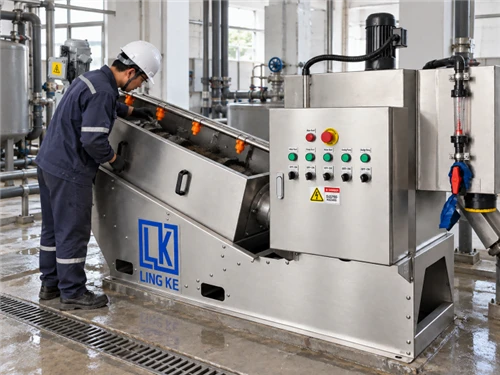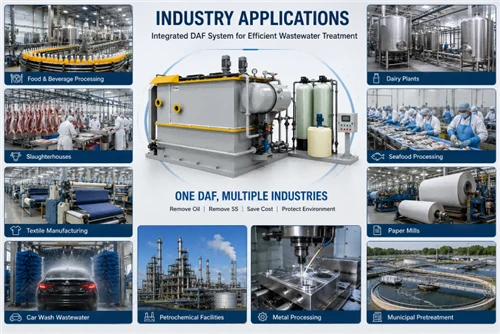
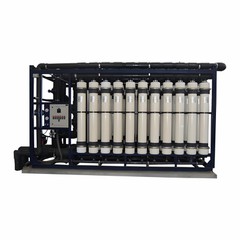
Wastewater treatment equipment projects are systematic engineering projects for the efficient treatment and purification of industrial, municipal, and domestic wastewater. They aim to remove pollutants (such as organic matter, heavy metals, suspended solids, nitrogen, and phosphorus) from water through physical, chemical, and biological means, ensuring it meets discharge standards or reuse requirements. With increasingly stringent environmental regulations and the worsening water shortage problem, wastewater treatment equipment has become a key infrastructure for industrial production, urban construction, and ecological protection.
The core objectives of wastewater treatment equipment projects include:
Compliance with Discharge Standards: Ensuring that the treated water quality meets national or local environmental standards (such as the "Discharge Standard of Pollutants for Municipal Wastewater Treatment Plants" GB 18918-2002).
Resource Recovery: Recovering useful substances (such as phosphorus and biogas) from wastewater through technological means, achieving resource recycling.
Energy Saving and Consumption Reduction: Optimizing equipment energy efficiency, reducing operating costs, and reducing carbon emissions.
Intelligent Management: Integrating an automated control system to achieve remote monitoring and intelligent operation and maintenance.