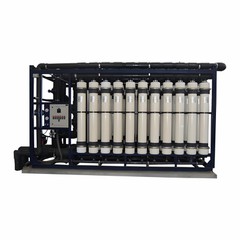
Core Function: Wastewater Purification to Standards, Blocking Pollution Spread
The core function of wastewater treatment equipment is to centrally treat various types of wastewater, removing pollutants to meet discharge or reuse requirements:
Treatment targets include domestic sewage (rural households, residential areas), catering wastewater (farmhouses, small restaurants), and light industrial wastewater (small processing plants), etc. Through an integrated process of screen interception, anaerobic fermentation, aerobic degradation, sedimentation, and disinfection, it removes pollutants such as COD (Chemical Oxygen Demand), BOD (Biochemical Oxygen Demand), ammonia nitrogen, suspended solids, and grease from the wastewater.
The treated water quality can stably meet the Class A or Class B standards of the "Discharge Standard of Pollutants for Municipal Wastewater Treatment Plants" (GB18918-2002). Under the Class A standard, COD ≤ 50 mg/L, BOD ≤ 10 mg/L, and suspended solids ≤ 10 mg/L, meeting the environmental protection requirements for direct discharge into municipal pipe networks or natural water bodies. This effectively blocks soil pollution, groundwater pollution, and eutrophication caused by direct wastewater discharge at the source.