The choice of tank material for integrated wastewater treatment equipment has a significant impact on the equipment's performance, service life, and treatment efficiency.
Stainless Steel
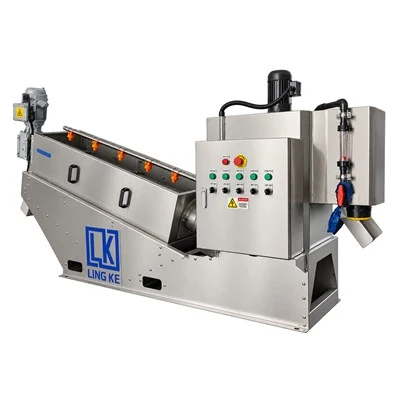
Stainless steel is widely used in integrated wastewater treatment equipment due to its excellent corrosion resistance. It can resist the corrosive effects of various chemicals in wastewater, thus extending the equipment's service life. Stainless steel also possesses good strength and toughness, enabling it to withstand various pressures and stresses during equipment operation.
Strength and Rigidity
In addition to good corrosion resistance, the tank body must also possess sufficient strength and rigidity. For metals such as stainless steel and carbon steel, thickness is a key factor affecting strength and rigidity.
Molding and Processing Performance
Polymer Materials: Polymer materials such as polyethylene and fiberglass reinforced plastic (GRP) are also commonly used in the manufacture of tanks for integrated wastewater treatment equipment. These materials possess excellent corrosion resistance, wear resistance, and aging resistance, enabling long-term stable operation in harsh wastewater environments.
Applicability and Economy
When selecting tank materials, the operating environment and requirements of the equipment must be comprehensively considered. For buried integrated wastewater treatment equipment, materials such as polyethylene or fiberglass can be selected, with appropriate anti-aging measures such as UV protection.