Daily usage guidelines for water purification equipment are crucial for ensuring effective purification and extending the equipment's lifespan. Five key precautions must be strictly followed:
Water Usage Guidelines: Avoid connecting wastewater or water with excessive impurities to the equipment to prevent filter clogging and equipment damage. When the equipment is not in use for an extended period, close the inlet valve and flush the filter before reuse to prevent stagnant water and bacterial growth.
Environmental Requirements: Place the equipment in a dry, well-ventilated, and cool location, away from high temperatures, direct sunlight, and corrosive gases to prevent filter aging and component damage. Avoid subjecting the equipment to heavy objects or impacts to prevent pipe rupture and leaks.
Operational Guidelines: Do not disassemble the equipment, alter piping, or change parameters without professional supervision. Any repairs must be performed by qualified personnel. Open the outlet valve gently to avoid excessive water pressure impacting the piping and filter. For RO reverse osmosis water purifiers, ensure the booster pump is operating normally to prevent insufficient water pressure from affecting purification performance.
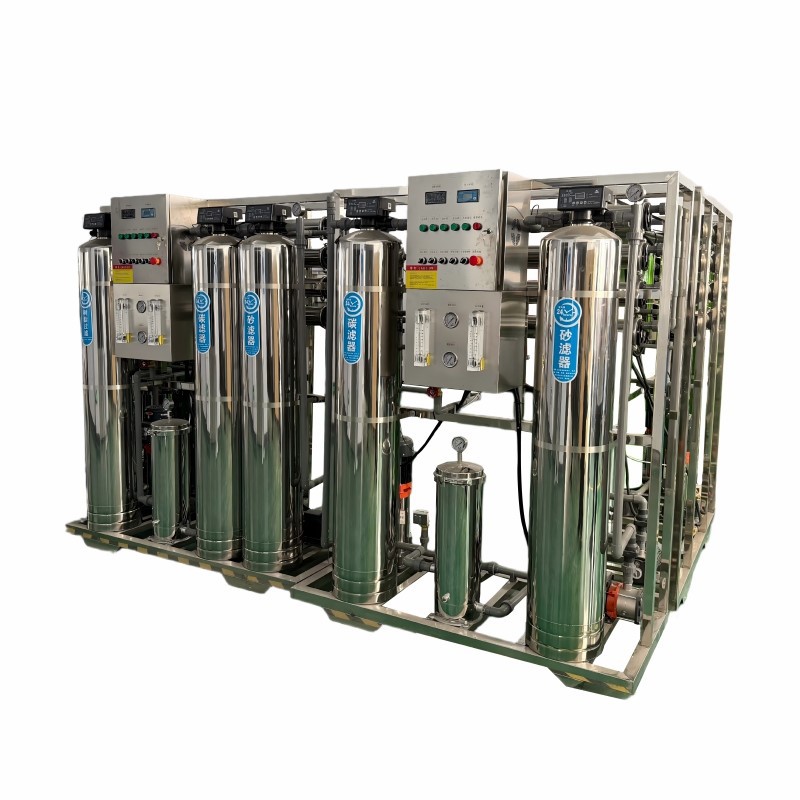
Fourth, observe and maintain the equipment. During daily use, observe the water flow. If the water flow decreases or there is an unusual odor, check the filter element promptly to prevent clogging. If any abnormalities are found, such as leaks or unusual noises, immediately close the inlet valve, stop using the equipment, and troubleshoot the problem.
Fifth, pay attention to safety. Avoid touching live parts while the equipment is running to prevent electric shock. When replacing the filter element, close the inlet valve and disconnect the power supply to ensure safe operation and prevent leaks and electric shock.